
If your Toyota Camry windows are fogging up, first identify whether the moisture is on the inside, outside, or frozen on the glass. For interior fog, use the front windshield defogger with dehumidified airflow, fresh outside air, a warm temperature, and a stronger fan setting. Use the wipers for exterior condensation, and use the defroster plus a proper automotive ice scraper for frost or ice. Do not drive until the windshield, mirrors, and front side windows provide a clear view.
Last updated: September 22, 2026 — Toyota defogger guidance, safety references, and troubleshooting links reviewed.
Quick Answer
For interior fog, select the front windshield defogger, leave the A/C or dehumidifying function on, use fresh outside air, choose a warm temperature, and raise the fan speed. Use the wipers for exterior condensation. Do not drive until the windshield, mirrors, and front side windows provide a clear view.
Key Takeaways
- Use the front defogger, dehumidified airflow, fresh-air mode, a warm temperature, and a strong fan setting for interior condensation.
- Use the windshield wipers for exterior condensation; use washer fluid when dirt or road film is also present and the fluid is suitable for the temperature.
- Avoid recirculation while clearing interior fog unless your model automatically manages the air-intake setting.
- Remove wet items, dry and secure the floor mats, and keep the inside of the windshield clean.
- Arrange an inspection if fogging comes with weak airflow, persistent dampness, coolant loss, a sweet odor, or an oily film.
At a Glance
| Time Required | Varies with humidity, glass temperature, airflow, and ice thickness; do not drive until the glass needed for safe visibility is clear |
| Difficulty | Easy for routine fogging; professional diagnosis may be needed for leaks or weak airflow |
| Tools Needed | Built-in climate controls; optional clean microfiber cloth, automotive glass cleaner, washer fluid, and a plastic automotive ice scraper |
| Cost | Usually no cost unless cleaning products, washer fluid, a cabin filter, or repairs are needed |
Warning: Do not continue driving when fog, frost, or ice blocks your view of the road, mirrors, or front side windows. Reduce speed smoothly, pull over in a safe place, and wait until the glass clears. Only wipe the inside of the windshield after the vehicle is safely parked.
Why Are My Toyota Camry Windows Fogging Up?

Window fog is condensation. In practical terms, it forms when the glass is cold enough for the air touching it to reach saturation, so water vapor condenses into droplets. Breath, wet shoes, damp clothing, snow-covered floor mats, drinks, spills, and water leaks can raise the humidity inside your Camry.
Recirculation can make interior fogging worse because it keeps moist cabin air moving through the vehicle. Fresh-air mode replaces some of that air with outside air, while the A/C or dehumidifying function removes moisture from the airflow. This is why the system may use A/C even when you select a warm temperature.
For a deeper explanation of the intake setting, see recirculate vs. fresh air in a Toyota Camry.
The same basic moisture-and-cooling process appears in the National Weather Service explanation of fog formation. Federal vehicle rules also require covered vehicles to have windshield defrosting and defogging systems.
Is the Fog Inside, Outside, or Frozen?
Before changing several controls, determine which surface is affected:
| What You Notice | Likely Location | What to Do |
|---|---|---|
| A clean finger or cloth leaves a smear on the cabin side | Interior condensation | Use the front defogger, dehumidified airflow, fresh air, a warm setting, and stronger fan airflow |
| The wipers remove the moisture | Exterior condensation or rain film | Use the wipers; use washer fluid if dirt or road film is also present and the fluid is appropriate for the temperature. If condensation returns, reduce excessively cold airflow against the windshield |
| The surface is hard, opaque, or frozen | Frost or ice | Run the defroster, allow the glass to warm gradually, and use a proper automotive ice scraper |
Note: Button locations and automatic climate-control behavior vary by Camry model year and trim. Some systems automatically change the air intake, fan, or dehumidifying function when windshield mode is selected. Use the Toyota owner’s manual lookup for instructions that match your vehicle.
Best Climate-Control Settings for Interior Fog
Toyota Camry manuals describe windshield mode as directing airflow to the front glass and front side windows, while outside-air intake and dehumidification help clear interior moisture. Exact automatic behavior varies by model year and climate-control system. Use this sequence when condensation is on the inside of the windshield:
- Select the front windshield defogger. Look for the windshield-shaped symbol with curved or wavy lines pointing upward.
- Leave the A/C or dehumidifying function on. Many Camrys manage this automatically in windshield mode. Dehumidified air clears moisture more effectively than humid cabin air.
- Use fresh outside air. Turn off manual recirculation unless your model’s automatic defog mode controls the intake for you.
- Choose a warm temperature. Warm, dry airflow helps heat the glass and evaporate condensation. Increase the temperature if the glass is very cold.
- Raise the fan speed. Use a high setting for faster clearing, then lower it after visibility returns.
- Activate the rear defogger if the rear glass is fogged. The rear window uses electric heating lines rather than dashboard airflow. On equipped Camrys, the same control may also heat the outside mirrors; confirm your model-year manual.
For cold-weather-only setup, see Toyota Camry winter defrost settings. For the difference between the two controls, see front defrost vs. rear defogger in a Camry.
What the Defogger Symbols Mean
- Front windshield symbol: Curved lines rise toward a windshield outline. This directs airflow to the front glass.
- Rear-window symbol: Straight or wavy lines rise inside a rectangular window. This powers the rear glass heating grid.
- Recirculation symbol: A looping arrow appears inside a vehicle outline. Turn manual recirculation off for most interior-fog situations.
- A/C indicator: The system may use air conditioning for dehumidification even while delivering warm air. Follow the behavior described in your model-year manual.
Do not cover the dashboard defroster vents with papers, phone mounts, cloths, or other items. Blocked vents can reduce airflow across the windshield and may leave only part of the glass clear.
Pro Tip: Start the defogger before pulling away when the cabin is already humid. Clearing the windshield and front side windows while parked is safer than adjusting several controls after entering traffic.
Settings for Different Weather Conditions
This page focuses on preventing recurring fog across seasons and diagnosing why it returns. The best adjustment still depends on the weather and whether the moisture is inside, outside, or frozen on the glass.
Cold or Rainy Weather
Select the front defogger, keep the dehumidifying function on, use fresh air, choose a warm temperature, and increase the fan speed. Knock snow and slush from your shoes before entering, remove wet items when practical, and empty standing water from rubber floor mats. Reinstall mats securely with the correct retention clips.
If the side windows remain fogged, direct some airflow toward the side vents and aim those vents at the glass. Keep enough airflow on the windshield to maintain forward visibility.
Hot and Humid Weather
Exterior condensation can form when strong A/C makes the windshield much colder than humid outdoor air. Use the wipers first. If the moisture quickly returns, raise the cabin temperature slightly or reduce the intensity of cold airflow against the windshield.
If condensation is inside, keep the dehumidifying function running but switch from manual recirculation to fresh-air mode. Briefly opening one or two windows may release trapped humidity when the outside air is drier and weather, air quality, and traffic conditions allow.
Frost and Ice
Start the vehicle in a well-ventilated outdoor area and select the front defroster. Allow the glass to warm gradually, then use a plastic automotive ice scraper. Clear snow from the roof, hood, lights, mirrors, and every window before driving. Make sure the exhaust outlet is not blocked by snow.
Do not pour hot water on frozen glass. A sudden temperature change can damage the windshield, and the water may refreeze around the wipers or on the pavement. Do not operate frozen wipers until they move freely.
Why Fog Returns After the Glass Clears
Fog usually returns because the cabin still contains too much moisture or the airflow cannot keep the glass warm and dry. Use the symptoms below to narrow the cause.
| Symptom | Possible Cause | Next Step |
|---|---|---|
| Fog returns within minutes | Recirculation is on, wet materials remain inside, or the cabin has not dried | Keep fresh-air and dehumidifying modes running; remove wet items and dry the mats |
| Airflow is weak at every vent | Restricted cabin filter, blower problem, or blocked air path | Check the model-specific maintenance instructions and arrange service if airflow remains weak |
| Only part of the windshield clears | A vent is blocked or the airflow-direction system is not working correctly | Remove dashboard obstructions; schedule an inspection if the pattern continues |
| Damp carpet or headliner after rain | Door, trunk, windshield, body-seam, sunroof-drain, or HVAC-drain leak | Dry the interior and have the water source located and repaired |
| Sweet odor, oily film, or unexplained coolant loss | Possible cooling-system or heater-related leak | Stop relying on repeated cleaning and arrange professional diagnosis |
If weak airflow is paired with a musty HVAC odor, see Toyota Camry cabin air filter odor causes for filter, drain, and moisture checks.
Why Keeping Your Windshield Clean Matters

Dust, fingerprints, smoke residue, plastic off-gassing, and oily films can make condensation spread unevenly across the glass. Residue can also create glare from headlights and streetlights.
Clean the Windshield Safely
Clean both sides of the windshield with a product labeled for automotive glass and, when applicable, safe for tinted glass. Use a clean microfiber cloth and work while the vehicle is parked. Follow the product label and your owner’s manual instead of using an unapproved household cleaner on tint film, displays, trim, cameras, sensors, or special glass coatings.
On newer Camrys with a front camera, keep the windshield area in front of the camera clear. Toyota’s 2025 Camry driving-support guidance specifically directs owners to use the windshield defogger when that area is fogged, covered with condensation, or iced.
Keeping the glass clean does not eliminate cabin humidity, but it makes the windshield easier to clear and reduces streaks. NHTSA also recommends keeping defrosters and windshield wipers in working condition as part of seasonal vehicle preparation.
If the glass is clear but the wipers still smear or streak, use the separate Camry wiper streaking troubleshooting guide.
Practical Cleaning and Inspection Schedule
Use the following schedule as a practical guide rather than a fixed Toyota maintenance requirement:
| Cleaning Task | When to Do It | Benefit |
|---|---|---|
| Clean the interior glass | When you notice haze, fingerprints, or glare | Reduces streaking and residue that can hold moisture |
| Clean the exterior glass | Whenever dirt, road film, or insects affect visibility | Improves visibility and wiper performance |
| Inspect the wiper blades | When they chatter, skip, crack, or leave streaks | Helps remove exterior moisture without smearing |
| Check the washer-fluid level | Before seasonal weather and long trips | Makes it easier to remove road film and maintain a clear exterior surface |
Strategies for Reducing Interior Moisture in Different Seasons
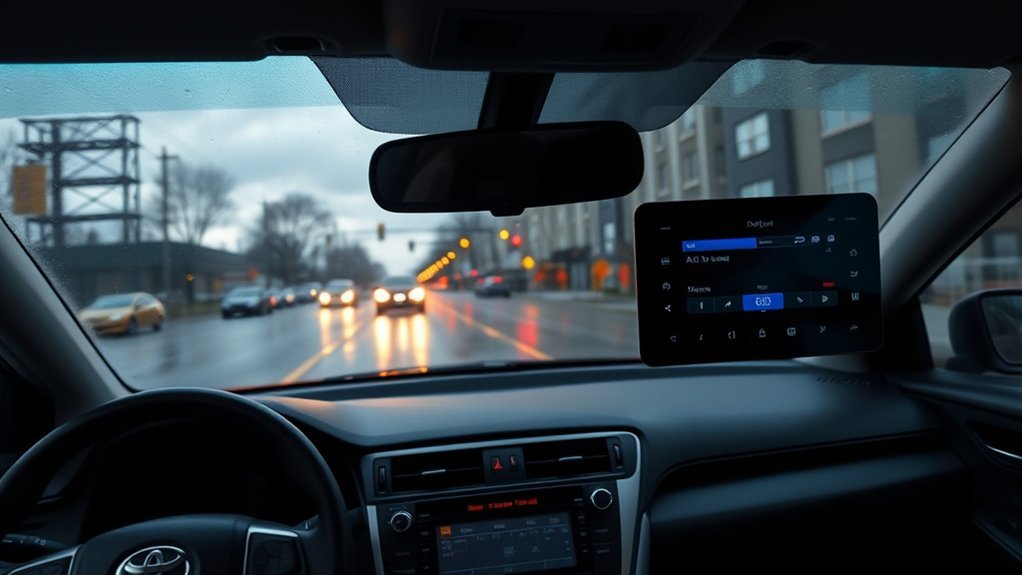
Winter Moisture Control
- Knock snow and slush from your shoes before entering.
- Remove wet coats, umbrellas, towels, and sports equipment.
- Empty standing water from rubber floor mats, dry them, and secure them correctly before driving.
- Use fresh-air mode instead of leaving manual recirculation on for long periods.
- Run the defogger before moisture spreads across the entire windshield.
Rainy-Season Moisture Control
- Check door seals, trunk seals, the sunroof drain area, and carpet for dampness.
- Keep umbrellas and wet items in a waterproof container that cannot slide into the pedal area.
- Use A/C or the system’s dehumidifying function with the front defogger.
- Replace a damaged door or window seal instead of relying only on a moisture absorber.
Summer Moisture Control
- Avoid aiming extremely cold air at the windshield when the outside air is hot and humid.
- Use the wipers when condensation forms on the exterior surface.
- Switch to fresh air if passengers, wet clothing, or exercise equipment raise cabin humidity.
- Dry spills promptly so moisture does not remain in the carpet or padding.
Silica-gel bags or automotive moisture absorbers may help with minor humidity when used exactly as directed and secured away from pedals, vents, children, and pets. They cannot repair a water leak, failed A/C system, clogged drain, or cooling-system leak.
Ventilation Tips to Reduce Humidity Inside the Car
Ventilation can replace humid cabin air with drier air. The climate-control system should remain the main defogging method because it directs conditioned airflow across the glass.
Open Windows Slightly
Opening one or two windows briefly can release moist air when the outside air is drier. This may help after several passengers enter with wet clothing or when the cabin suddenly fogs after a temperature change.
Do not rely on open windows during heavy rain, snow, dust, smoke, poor outdoor air quality, or unsafe traffic conditions. Close them once cabin humidity drops and the climate system can maintain clear glass.
Use Sunroof Ventilation Carefully
If your Camry has a sunroof, the vent position may help warm, humid air escape. Adjust it while parked when possible, and use it only when weather and road conditions permit. Keep it closed during heavy rain, snow, car washes, dusty conditions, or whenever water could enter the cabin.
Inspect the sunroof area if you notice damp headliner material, wet carpet, or repeated fogging after rain. A blocked drain or failed seal may need professional attention.
How to Use Anti-Fog Products Safely
An automotive anti-fog product can reduce condensation on clean interior glass. It should supplement the factory defogging system, not replace it.
- Park the car in a ventilated area and let the glass dry.
- Clean the interior windshield with an automotive glass cleaner.
- Confirm that the anti-fog product is approved for the exact glass, tint, coating, or display area where you plan to use it.
- Apply the product exactly as its label directs.
- Buff away residue with a clean microfiber cloth if the instructions require it.
- Check the glass in daylight and at night for haze, glare, smearing, or distortion.
- Reapply only at the manufacturer’s recommended interval.
Do not apply a coating over camera or sensor viewing areas, tint film, head-up-display zones, or special glass surfaces unless both the product maker and the vehicle manual allow it. Stop using any product that leaves glare, smearing, or distorted vision.
Note: Use products labeled for automotive glass instead of relying on raw onion, shaving cream, soap, vinegar, or other household chemicals. These are not part of Toyota’s published defogging procedure, and residue can create haze, streaks, or glare.
Quick Fixes When Fog Suddenly Blocks Your View
Use this sequence when fog begins reducing visibility:
- Reduce speed smoothly and increase your following distance.
- Turn on the front windshield defogger.
- Keep the A/C or dehumidifying function on, or confirm that the system activated it automatically.
- Switch from manual recirculation to fresh outside air unless your automatic defog mode manages the intake.
- Select a warm temperature and increase the fan speed.
- Turn on the rear-window defogger if the rear glass is fogged.
- Use the wipers if the moisture is outside.
- Open a window briefly only if the outside air is drier and conditions allow.
- Pull over safely if the glass does not clear quickly enough for safe driving.
After parking, you may use a clean microfiber cloth to remove remaining interior moisture. Do not lean across the dashboard, wipe the windshield, or make prolonged control adjustments while the vehicle is moving.
Clear the glass before continuing: the defogger is a visibility aid, not a reason to keep driving with an obstructed view.
Regular Maintenance Tips to Prevent Future Fogging
Federal Motor Vehicle Safety Standard No. 103 requires covered vehicles to have windshield defrosting and defogging systems. Keeping that system functional is important for visibility.
Check the Cabin Air Filter
A heavily restricted cabin air filter can reduce airflow from the vents. Inspect or replace it according to your Camry’s model-year maintenance instructions, especially if airflow has become weak or the filter has been exposed to heavy dust, pollen, smoke, or debris.
Test the Defogger and Air Conditioning
Confirm that air reaches the windshield vents and that the fan works at several speeds. If the windshield takes much longer to clear than before, the blower, airflow-direction controls, A/C system, cabin filter, or vent path may need inspection.
NHTSA’s winter driving guidance recommends checking that defrosters and windshield wipers work, keeping suitable washer fluid available, and checking the cooling system for leaks.
Look for Water Leaks
Check the carpet, floor mats, trunk, door openings, and headliner after rain or a car wash. Damp padding can hold water even when the carpet surface feels nearly dry.
Possible leak sources include door or trunk seals, body seams, a sunroof drain, windshield sealing, and an HVAC drain. A technician can locate the source if moisture repeatedly returns.
Watch for Cooling-System Warning Signs
Persistent fog combined with a sweet odor, oily or greasy windshield film, unexplained coolant loss, or damp carpet near the dashboard may point to a cooling-system or heater-related problem. Treat these as warning signs rather than a do-it-yourself diagnosis, and have the vehicle inspected.
Do not open a hot cooling system. Follow the owner’s manual and allow the vehicle to cool before checking coolant.
Protect the Rear Defogger Grid
Do not scrape the inside of the rear window with a sharp or abrasive tool, and do not place stickers over the heating lines. If only narrow bands remain fogged, the grid may be damaged. Follow the owner’s manual for cleaning and arrange service if large areas do not clear.
When to Schedule Service
Arrange an inspection when:
- The windshield will not clear with the correct settings.
- No air reaches the windshield vents.
- The blower works only at certain speeds.
- The A/C or dehumidifying function does not reduce cabin humidity.
- The carpet or headliner remains damp.
- You notice coolant loss, a sweet odor, or oily glass film.
- The rear-window defogger has large areas that do not clear.
- The same fogging problem returns after the cabin and glass have been cleaned and dried.
Frequently Asked Questions
How do I defog the windshield in a Toyota Camry?
Select the front windshield defogger, keep the A/C or dehumidifying function on, use fresh outside air, choose a warm temperature, and raise the fan speed. Turn on the rear defogger for the back window. Exact controls and automatic behavior vary by model year.
What settings should I use when my car windows are fogged up?
For interior fog, use the front defogger, dehumidified airflow, fresh-air mode, a warm temperature, and high fan speed. For exterior condensation, use the wipers and slightly reduce how cold the windshield becomes. Avoid manual recirculation until interior humidity drops.
Should I use hot or cold air to defog the windows?
Warm, dehumidified air is usually effective for interior fog because it warms the glass while removing moisture. During hot, humid weather, exterior condensation may improve when you reduce very cold airflow or raise the cabin temperature slightly.
Should the A/C be on when I use heat to defog the windshield?
Usually, yes. The A/C or dehumidifying function removes moisture while the heater raises the glass temperature. Many Camrys manage this automatically in windshield mode, so follow your model-year owner’s manual instead of forcing the system into a different setting.
How do I prevent my car windows from fogging up?
Keep the interior glass clean, remove wet items, dry and secure the floor mats, use fresh-air mode when humidity rises, and maintain the A/C, blower, cabin filter, wipers, and defoggers. Repair water or cooling-system leaks instead of relying only on moisture absorbers.
Why does the fog return after the windshield clears?
Cabin humidity may still be high, recirculation may be on, or wet carpet and clothing may keep releasing moisture. Leave fresh-air and dehumidifying modes running until the cabin dries. Repeated fogging can also point to a water leak or weak HVAC airflow.
Why does only part of the windshield or rear window stay fogged?
A dashboard object may be blocking a vent, the airflow-direction system may not be working correctly, or airflow may be restricted. On the rear window, damaged electrical grid lines can leave uncleared bands. Have the system inspected if the problem continues.
Why does the outside of my windshield fog in summer?
Strong A/C can cool the windshield below the dew point of humid outdoor air, causing condensation on the exterior. Use the wipers, raise the cabin temperature slightly, or reduce very cold airflow directed at the glass.
When does repeated fogging need professional service?
Schedule service when the glass will not clear, airflow is weak or uneven, the carpet or headliner stays damp, coolant disappears, a sweet odor or oily film develops, or large sections of the rear window remain fogged.
Conclusion
To keep your Toyota Camry windows clear, first identify whether the moisture is inside, outside, or frozen on the glass. Use the front defogger, dehumidified airflow, fresh-air mode, a warm temperature, and stronger fan speed for interior fog. Use the wipers for exterior condensation and the rear defogger for the back glass.
Clean glass, dry and properly secured floor mats, working wipers, good HVAC airflow, and a properly maintained cabin filter can reduce repeat fogging. Persistent moisture, weak airflow, coolant loss, damp carpet, a sweet smell, or an oily film needs more than a quick climate-control adjustment. Have the vehicle inspected before the problem affects visibility again.
Sources
- Toyota Manuals and Warranties — model-specific climate-control, operation, cleaning, and maintenance guidance
- 49 CFR 571.103, Windshield Defrosting and Defogging Systems — federal requirements for covered vehicle defogging systems
- National Highway Traffic Safety Administration Winter Driving Tips — defroster, wiper, washer-fluid, cooling-system, floor-mat, and winter visibility guidance
- National Weather Service Fog Ingredients — moisture, cooling, saturation, and fog-dissipation principles
