A Toyota Camry warranty can pay for eligible repairs caused by defects in materials or workmanship, but the exact coverage depends on the model year, original in-service date, mileage, powertrain, location, and cause of the failure. For a new 2026 U.S.-market Camry, Toyota lists 36-month/36,000-mile Basic Coverage, 60-month/60,000-mile Powertrain Coverage, 8-year/100,000-mile Hybrid-Related Component Coverage, and 10-year/150,000-mile Hybrid Battery Coverage. Because the 2026 Camry is hybrid-only in the United States, the hybrid coverages apply to every new 2026 Camry, subject to the Warranty and Maintenance Guide.
Quick Answer
For the 2026 Toyota Camry in the United States, Toyota lists 3-year/36,000-mile Basic Coverage, 5-year/60,000-mile Powertrain Coverage, 8-year/100,000-mile coverage for specified hybrid-related components, and 10-year/150,000-mile coverage for the high-voltage hybrid battery. ToyotaCare separately covers normal factory-scheduled maintenance for 2 years/25,000 miles and includes 2 years of unlimited-mile roadside assistance. Routine maintenance, normal wear, accidents, neglect, and damage caused by outside parts or modifications are not automatically warranty repairs. The model-year Warranty and Maintenance Guide controls the final terms.
Key Takeaways
- Toyota’s general U.S. coverage includes 36 months/36,000 miles of Basic Coverage and 60 months/60,000 miles of Powertrain Coverage.
- For Toyota hybrids beginning with model year 2020, Toyota lists 10-year/150,000-mile high-voltage battery coverage; the 2026 U.S. Camry is hybrid-only.
- Routine maintenance and normal wear are not covered warranty repairs.
- Using an aftermarket part or independent repair shop does not automatically cancel your warranty.
- Keep dated maintenance receipts and use the schedule for your exact Camry model year.
- Factory warranty, ToyotaCare, recalls, and Vehicle Service Agreements are separate programs with different terms.
Last updated: September 19, 2026
Note: This guide summarizes U.S. coverage and uses the 2026 Camry as the current new-vehicle reference. Older Camry model years can have different powertrains and warranty details. State emissions rules, vehicle history, and separate service agreements can also change what applies. Your Camry’s Warranty and Maintenance Guide and any signed service agreement control the actual coverage.
Toyota Camry Warranty Coverage at a Glance
Toyota measures most warranty periods from the vehicle’s date of first use, also called its in-service date. This may be the date the vehicle was first sold, leased, or placed into service. Coverage normally ends when you reach either the stated time limit or mileage limit, whichever happens first.
Toyota’s published U.S. warranty overview lists the following general coverage. Always confirm the terms in the guide for your exact model year through the Toyota Manuals and Warranties portal. If you need help locating the correct booklet, see the site’s Toyota Camry owner’s manual and warranty-guide lookup.
For the 2026 U.S. Camry, Toyota’s current model information confirms that every trim uses a hybrid powertrain. That makes the hybrid-related and hybrid-battery rows below relevant to every new 2026 Camry, while older model years may include gasoline-only versions.
| Coverage | General U.S. term | What it generally addresses |
|---|---|---|
| Basic Coverage | 36 months or 36,000 miles | Eligible defects in materials or workmanship, excluding normal wear and maintenance items. |
| Powertrain Coverage | 60 months or 60,000 miles | Specified engine, transmission or transaxle, and applicable drive-system components. |
| Rust-Through Coverage | 60 months with unlimited miles | Corrosion perforation of covered sheet metal. It does not mean that every surface-rust or paint concern is covered. |
| Genuine Toyota Accessories | At new-vehicle purchase: 36 months/36,000 miles; purchased later: 12 months regardless of mileage or the remaining applicable new-vehicle warranty, whichever is greater | Eligible Genuine Toyota Accessories, subject to the accessory-warranty terms and installation details. |
| Hybrid-Related Components | Generally 8 years or 100,000 miles | Specified components such as the battery control module, hybrid control module, and inverter with converter. |
| Hybrid Battery | 10 years or 150,000 miles for qualifying model-year 2020 and newer Toyota hybrids | The high-voltage hybrid battery, subject to the applicable warranty’s terms and conditions. |
| Emissions Coverage | Varies | Specified emissions-control parts under federal or applicable California emissions rules. |
Basic Coverage Details
Toyota’s Basic Coverage is sometimes informally called a bumper-to-bumper warranty. However, that nickname can be misleading because the warranty does not cover literally everything between the bumpers.
It generally pays for eligible repairs and adjustments needed because of defects in materials or workmanship during the coverage period. Toyota must still inspect the vehicle, identify the cause, and confirm that the repair qualifies under the warranty’s terms.
Oil changes, filters, brake friction material, worn tires, wiper blades, alignments, and other routine or wear-related services are generally owner expenses unless a separate plan, part warranty, adjustment policy, or defect coverage applies.
Powertrain Protection Overview
Powertrain Coverage lasts longer than Basic Coverage and applies to specified major components. These commonly include listed parts of the engine, transmission or transaxle, and applicable drive system.
Powertrain Coverage does not mean every engine-bay or underbody component remains covered for five years. Electronics, air-conditioning parts, suspension components, maintenance items, hoses, trim, and other systems may fall under different coverage or exclusions.
Use the component list in your Camry’s warranty guide rather than relying only on the phrase “powertrain warranty.”
Hybrid and Emissions Coverage
Hybrid Camry owners should check three separate areas: Powertrain Coverage, Hybrid-Related Component Coverage, and Hybrid Battery Coverage. The time and mileage limits are not identical.
Toyota states that specified hybrid-related components such as the battery control module, hybrid control module, and inverter with converter receive 8-year/100,000-mile coverage. For Toyota hybrids beginning with model year 2020, the high-voltage battery receives 10-year/150,000-mile coverage. The 2026 U.S. Camry is hybrid-only, so both coverage categories are relevant to every new 2026 Camry.
Some components may also qualify for federal or California emissions coverage. Emissions terms vary by vehicle certification, model year, component, and the state in which the vehicle was sold or registered. Check the emissions section of the applicable warranty guide before assuming a part is outside coverage. For a deeper breakdown, see the site’s guides to the Toyota Camry federal emissions warranty and Toyota Camry California emissions warranty.
How Are Genuine Toyota Accessories Covered?
Genuine Toyota Accessories purchased at the same time as the new vehicle generally receive 36-month/36,000-mile coverage from the vehicle’s in-service date. Genuine Toyota Accessories purchased later generally receive 12 months of coverage regardless of mileage, or the remainder of the applicable new-vehicle warranty, whichever provides greater coverage. Third-party accessories follow their own warranty terms, and damage caused by an accessory or its installation may fall outside Toyota’s vehicle warranty.
What a Toyota Camry Warranty Usually Does Not Cover
A factory warranty addresses eligible defects. It is not a maintenance plan, collision policy, roadside-damage policy, or promise that every failed part will be replaced free of charge.
Common exclusions or limitations may include:
- Routine maintenance: Oil, filters, inspections, rotations, fluid services, and scheduled adjustments.
- Normal wear: Worn brake friction material, tire tread, wiper inserts, upholstery wear, and similar deterioration from use.
- Accidents or outside damage: Collisions, road debris, theft, vandalism, flooding, fire, and improper towing.
- Misuse or neglect: Racing, overloading, using unsuitable fluids, ignoring warning lights, or failing to perform required maintenance.
- Environmental damage: Tree sap, chemicals, bird droppings, road salt, hail, water contamination, and other external conditions.
- Alterations or unsuitable parts: Damage caused by an improper modification, accessory, replacement part, tune, wheel fitment, or repair procedure.
- Vehicles with altered records: Warranty eligibility can be affected when the odometer, VIN, title, or vehicle history prevents Toyota from confirming coverage.
Warning: Do not continue driving when the oil-pressure, brake, overheating, hybrid-system, or another serious warning appears. Continued operation can create additional damage that may not be covered, even when the original failure qualifies for warranty repair.
How Maintenance Affects Your Camry Warranty
You must maintain your Camry according to the schedule and specifications for its model year. However, missing one service does not automatically erase every warranty protection on the vehicle.
A claim may be denied when a lack of maintenance, unsuitable fluid, improper repair, or owner neglect caused or contributed to the failed component. An unrelated defect may still qualify for coverage. Federal Trade Commission guidance also makes the causation point clear: using an independent shop or aftermarket part does not by itself cancel the warranty, but coverage can be denied for damage that the outside part or improper repair caused.
Use the maintenance schedule in your exact Warranty and Maintenance Guide. Do not assume that an interval published for another Camry year, engine, hybrid system, or driving pattern applies to your car. For model-specific examples, see the site’s Camry service-interval guide and Toyota Camry oil-change interval guide.
Engine Oil and Filter Service
Use the oil grade, viscosity, filter type, quantity, and replacement interval specified for your Camry. Toyota may provide a normal schedule and additional requirements for special operating conditions.
Short trips in freezing temperatures, repeated low-speed driving, dusty roads, extensive idling, heavy loading, and other severe conditions can change the required maintenance. Follow the conditions listed in your guide rather than relying on a universal 5,000-mile or 7,500-mile rule.
After service, check that the oil level is correct and that the drain plug, filter, and engine area are free from leaks. Keep the invoice or record showing the date, mileage, oil specification, and parts used.
Tire Pressure, Rotation, and Tread
The National Highway Traffic Safety Administration recommends checking tire pressure monthly with an accurate gauge. Use the cold pressure shown on the Tire and Loading Information label on the driver-side door area, not the maximum pressure molded into the tire’s sidewall.
Rotate the tires according to Toyota’s model-specific schedule and approved rotation pattern. Some wheel-and-tire arrangements may require a special pattern or may not allow normal front-to-rear rotation.
Replace a tire when its tread reaches 2/32 of an inch, when wear indicators are level with the tread, or when the tire has unsafe cracks, bulges, punctures, exposed cords, irregular wear, or other damage.
Brake System Inspections
Have the brake system inspected at the intervals listed in your maintenance guide and whenever you notice a change in braking performance.
Warning signs include:
- Grinding, scraping, squealing, or repeated clicking
- A soft, sinking, unusually firm, or pulsating pedal
- The vehicle pulling during braking
- Longer stopping distances
- Fluid near a wheel or beneath the engine compartment
- A brake, ABS, or stability-control warning light
A brake inspection may include the friction material, rotors, calipers, hoses, lines, fluid condition, parking brake, warning systems, and related hardware. Normal pad or rotor wear is generally not a factory-warranty repair, but a covered defect in another brake component may qualify.
Other Maintenance and Recordkeeping
Depending on the model year and mileage, your maintenance guide may call for inspections or service involving coolant, cabin and engine filters, drive components, steering and suspension, exhaust, transmission fluid, hybrid-system components, and other items.
Pro Tip: Keep receipts that show the service date, mileage, shop, fluid specifications, part numbers, and work performed. If you maintain the car yourself, save parts receipts and record the date, mileage, and procedure in a maintenance log.
Do You Have to Use Genuine Toyota Parts?
Genuine Toyota parts can be a practical choice because they are designed for Toyota applications and come with their own applicable parts-warranty terms. However, using a non-Toyota part does not automatically cancel your entire vehicle warranty.
Federal warranty guidance from the Federal Trade Commission says a vehicle warranty stays in effect when you use aftermarket parts or an independent repair shop. If an aftermarket part or improper installation damages a covered component, the manufacturer or dealer can deny coverage for that damage and must show the outside part or repair caused it.
Toyota may still deny a claim when an aftermarket part, modification, unsuitable fluid, installation error, or outside repair caused the failure. For example, an unrelated radio installation should not cancel engine coverage, but wiring damage caused during that installation may not be covered.
You can also use a qualified independent repair facility for routine maintenance. Make sure the shop follows Toyota’s specifications, uses suitable parts and fluids, completes the required work, and provides a detailed invoice.
[Amazon Products Picked for You]

A ABIGAIL Gas Tank Door Cover Spring restores functionality of fuel door spring mechanism for smooth open and secure close of gas cap access door.

Compatible Auto List: Our cabin air filter is compatible with Toyota: 4Runner (2010-2024), Avalon (2005-2018), Camry (2007-2017), Corolla (2009-2019), Corolla iM (2017-2018), Highlander (2008-2019), Land Cruiser (2008-2011,2013-2021), Matrix (2009-2014), Mirai (2016-2020), Prius (2010-2015), Prius C (2012-2019), Prius Plug-In (2012-2015), Prius V (2012-2018), RAV4 (2006-2018), Sequoia (2008-2022), Sienna (2011-2020), Tundra (2007-2021), Venza (2009-2016), Yaris (2007-2018).

GENUINE OEM: Original Toyota/Lexus factory oil filter part number 90915-YZZN1, ensuring perfect fit and optimal performance for your vehicle
Choosing Extended Coverage for Your Camry
An extended warranty is often more accurately described as a Vehicle Service Agreement. It is a separate, optional contract that may pay for specified repairs after or beyond portions of the factory warranty.
Toyota Financial offers Platinum, Gold, and Powertrain Vehicle Service Agreement options for eligible new Toyotas. Current new-vehicle terms state that the vehicle must generally be within three years or 36,000 total miles to buy a new-vehicle VSA. Toyota Financial currently lists plan terms ranging from 3 years/50,000 total vehicle miles to 8 years/125,000 total vehicle miles. For new-vehicle plans, time and mileage are measured from the original date of first use and zero miles, not simply from the date you purchase the agreement.
Review the official Toyota Financial Vehicle Service Agreement information and the complete contract before buying.
[Amazon Products Picked for You]

QUADRUPLICATE SERVICE LOANER AGREEMENT FORM: Professional 4-part carbonless service loaner agreement designed for car dealerships, auto repair shops, and service departments to document loaner vehicle usage, customer responsibility, charges, and return conditions with clear, organized loaner car paperwork.
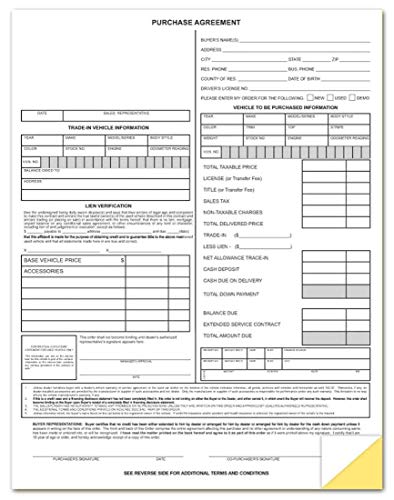
8.5" x 11" standard letter size

What to Compare Before Buying
| Contract detail | What to verify |
|---|---|
| Covered components | Determine whether the plan is exclusionary or covers only specifically listed parts. |
| Term | Confirm whether years and miles begin at original vehicle use or contract purchase. |
| Deductible | Check whether it applies per repair, visit, component, or claim. |
| Repair network | Confirm where repairs can be performed and whether prior authorization is required. |
| Exclusions | Review wear items, maintenance, pre-existing conditions, commercial use, modifications, and consequential damage. |
| Extra benefits | Check limits for towing, roadside help, rental reimbursement, lodging, and meals. |
| Transfer and cancellation | Read the transfer limit, eligible buyer rules, cancellation deadline, fees, and prorated-refund method. |
| Total price | Compare the complete contract cost rather than an unsupported annual estimate. |
A transferable service agreement may add value for a private buyer, but transferability depends on the contract. Toyota Financial currently states that qualifying VSA coverage may be transferred once from the original owner to a private party, subject to the agreement’s terms.
How to Check and Use Your Toyota Camry Warranty
Use the following process when you think a repair may qualify for warranty coverage:
- Confirm the vehicle details. Record the VIN, model year, current mileage, purchase information, and original in-service date if available.
- Open the correct warranty guide. Review the coverage period, covered-component list, exclusions, and maintenance requirements.
- Document the concern. Record warning messages, symptoms, dates, mileage, photos, videos, and the conditions under which the problem occurs.
- Gather maintenance records. Bring invoices, receipts, and any previous diagnostic or repair documents related to the system.
- Schedule an inspection. Contact an authorized Toyota dealer when seeking repair under Toyota’s factory warranty.
- Request a written explanation. If coverage is denied, ask for the diagnosis, failed component, reason for denial, and the warranty provision being applied.
- Use the escalation process. Follow the customer-assistance and dispute-resolution instructions in the warranty guide if you disagree with the decision.
Do not authorize a major customer-pay repair until you understand whether Toyota, an emissions warranty, a parts warranty, an insurer, a service agreement, or a recall may cover the issue.
ToyotaCare, Factory Warranty, and Recalls Are Different
Factory warranty coverage addresses eligible defects during the applicable time and mileage period.
ToyotaCare is separate from the factory warranty. For the 2026 U.S. Camry, Toyota lists normal factory-scheduled maintenance for 2 years or 25,000 miles, whichever comes first, plus 24-hour roadside assistance for 2 years with unlimited mileage. Check the current terms for your vehicle through the ToyotaCare and Maintenance Plans page.
A Vehicle Service Agreement is an optional contract with its own price, covered parts, term, deductible, exclusions, benefits, and claim procedure.
A safety recall is also separate from the ordinary factory warranty. NHTSA says a recall itself does not expire, although the federal requirement for a no-charge remedy can be limited by vehicle age. Search the vehicle’s VIN through the NHTSA recall lookup, read the specific campaign instructions, and contact the manufacturer’s dealer about the remedy before paying for the same repair yourself.
Warranty Coverage on a Used Toyota Camry
Toyota’s general warranty provisions state that applicable warranty coverage transfers automatically at no cost to subsequent vehicle owners. The original time and mileage limits still apply, so buying a used Camry does not restart the factory-warranty clock.
Before purchasing, check:
- The original in-service date and current mileage
- Whether factory coverage remains
- Open recalls and completed recall repairs
- Maintenance and repair records
- Accident, flood, salvage, or odometer history
- Whether an existing service agreement can be transferred
- Whether the vehicle qualifies for Toyota Certified Used Vehicle coverage
Ask the seller or Toyota dealer to provide written confirmation of any claimed remaining warranty or transferable service agreement.
[Amazon Products Picked for You]


Frequently Asked Questions
How long is the warranty on a new Toyota Camry?
Toyota’s general U.S. new-vehicle coverage includes 36 months or 36,000 miles of Basic Coverage and 60 months or 60,000 miles of Powertrain Coverage, whichever limit comes first. Hybrid, emissions, corrosion, accessory, and parts coverage may have different limits. Check the guide for your exact model year.
What does Toyota’s 100,000-mile warranty cover?
Toyota does not have one universal 100,000-mile warranty covering the entire Camry. Specified hybrid-related components may receive 8-year/100,000-mile coverage. Toyota Certified Used Vehicle or Vehicle Service Agreement coverage may also use a 100,000-mile limit, but those are separate programs with different terms.
Does Toyota offer a 10-year warranty?
Toyota does not provide a standard 10-year comprehensive warranty on the entire Camry. However, the high-voltage battery in qualifying Toyota hybrid vehicles beginning with model year 2020 receives 10-year/150,000-mile coverage, whichever comes first.
What is a 10-year/100,000-mile powertrain warranty?
It is a warranty or service-contract term offered by some manufacturers, dealers, or third-party providers for specified engine, transmission, and drive components. It is not Toyota’s standard new-Camry powertrain term, which is generally 60 months or 60,000 miles in the United States.
Do aftermarket parts void a Toyota Camry warranty?
Not automatically. Federal warranty rules generally prevent manufacturers from requiring branded parts merely to keep coverage. Toyota may deny a claim when an aftermarket part, modification, unsuitable fluid, installation error, or outside repair caused the claimed damage.
Can I maintain my Camry at an independent repair shop?
Yes. Routine maintenance does not always have to be completed at a Toyota dealership. The shop should follow Toyota’s schedule and specifications, use suitable parts and fluids, and provide detailed records. Factory-warranty repairs normally require inspection and authorization through Toyota’s warranty process.
Does missing maintenance void the entire warranty?
Not automatically. Coverage may be denied for a failure caused or worsened by missed maintenance, neglect, an unsuitable fluid, or an improper repair. An unrelated covered defect may still qualify. Maintenance records can help establish that you followed the required schedule.
Does the 2026 Toyota Camry include ToyotaCare?
Yes. Toyota lists ToyotaCare for the 2026 U.S. Camry as normal factory-scheduled maintenance for 2 years or 25,000 miles, whichever comes first, plus 24-hour roadside assistance for 2 years with unlimited mileage. ToyotaCare is separate from the New Vehicle Limited Warranty.
Are Genuine Toyota accessories covered by the Camry warranty?
Genuine Toyota Accessories purchased with the new vehicle generally receive 36 months or 36,000 miles of coverage from the vehicle’s in-service date. Accessories purchased later generally receive 12 months regardless of mileage, or the remainder of the applicable new-vehicle warranty, whichever provides greater coverage.
Is a Toyota Camry warranty transferable?
Yes. Toyota’s general warranty provisions state that applicable factory coverage transfers automatically at no cost to subsequent owners until the original time or mileage limit expires. A Toyota Financial Vehicle Service Agreement may be transferable once to a qualifying private buyer, subject to the signed agreement. Certified-used and third-party plans follow their own rules.
Is a recall repair the same as a warranty repair?
No. A safety recall is a separate remedy for a safety-related defect or noncompliance. Recall eligibility is based on the VIN and recall campaign, not only on the vehicle’s ordinary factory-warranty expiration date.
Conclusion
Your Toyota Camry warranty is most useful when you separate Basic, Powertrain, hybrid, emissions, accessory, ToyotaCare, recall, and service-agreement coverage. For a 2026 U.S. Camry, start with the current hybrid-only warranty terms, then confirm the original in-service date and exact model-year guide before authorizing a repair.
Genuine Toyota parts can offer convenient fit and support, but suitable aftermarket parts and independent maintenance do not automatically cancel the warranty. What matters is whether proper maintenance was completed and whether an outside part, modification, or repair caused the failure.
Before paying for a major repair, check factory coverage, hybrid and emissions warranties, recalls, parts warranties, ToyotaCare benefits, and any Vehicle Service Agreement that applies to the vehicle.
Sources
- Toyota Manuals and Warranties — general U.S. basic, powertrain, rust-through, emissions, hybrid-component, and hybrid-battery coverage.
- Toyota Financial Vehicle Service Agreements — current VSA eligibility, coverage terms, benefits, deductibles, cancellation, and transfer information.
- Federal Trade Commission: Auto Warranties and Auto Service Contracts — aftermarket parts, independent repair shops, maintenance records, and causation for claim denials.
- NHTSA TireWise — tire-pressure checks, tread depth, rotation, tire aging, and safety guidance.
- NHTSA Recall Lookup — VIN-based recall checks and recall-remedy information.
- ToyotaCare and Maintenance Plans — ToyotaCare and prepaid-maintenance program information.
- Toyota USA Newsroom: 2026 Camry — current 2026 Camry hybrid-only lineup, warranty terms, ToyotaCare, and roadside-assistance duration.
- Toyota Genuine Accessories Warranty — coverage terms for Genuine Toyota Accessories purchased with or after the new vehicle.
