
The Toyota RAV4 has seen significant changes in size over the years. The first generation started at 165.5 inches long. By the third generation, it grew to 180.9 inches. Each new model has progressively improved passenger and cargo space to match what drivers need. The overall dimensions stayed mostly the same from the fourth through sixth generations. You can expect features built for both comfort and daily utility. Discover more about what each generation offers to find the perfect fit for your garage and lifestyle.
Quick Answer
- First Generation (1996 to 2000): Around 165.5 inches long. It was built mainly as a highly maneuverable compact vehicle for tight city streets.
- Second Generation (2001 to 2005): Grew to 174.4 inches long to provide better rear legroom and more cargo room.
- Third Generation (2006 to 2012): Jumped to 180.9 inches long and introduced an optional third row for families.
- Fourth to Sixth Generations (2013 to Present): Kept a steady length of about 181 inches. Toyota focused on maximizing interior cabin space and adding hybrid technology.
Comparative Dimensions of the Toyota RAV4 Across Generations
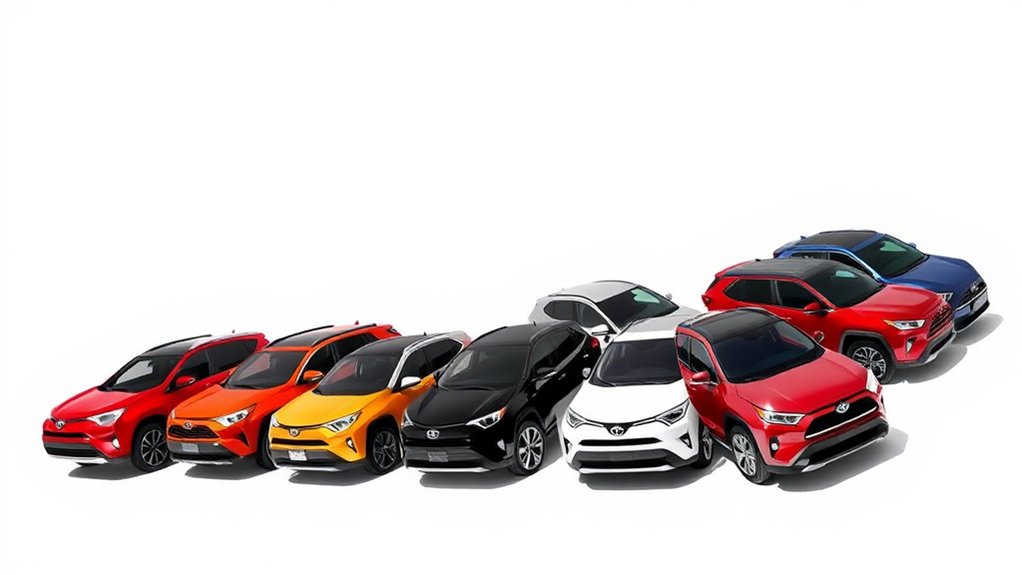
When you look at the evolution of the Toyota RAV4, you will notice distinct changes. Its dimensions have changed considerably across generations. This reflects a shift in consumer preferences and general market demands.
The initial compact design of the first generation (1996 to 2000) measured just 165.5 inches. This paved the way for a more sizable second generation (2001 to 2005) at 174.4 inches. This expansion catered to growing families. It also acknowledged the rising popularity of compact SUVs as primary household vehicles.
The RAV4 grew from a compact 165.5 inches to 174.4 inches. This change highlighted a response to family needs and the overall boom in SUV popularity.
The third generation (2006 to 2012) took it up a notch with a length of 180.5 inches. This provided 21% more interior space than older models.
The fourth generation (2013 to 2018) and fifth generation (2019 to 2025) maintained a similar length of around 180.9 inches. However, Toyota greatly enhanced the cabin’s spaciousness and functional cargo capacity.
This RAV4 evolution clearly illustrates Toyota’s commitment to adapting to your needs. They managed to increase interior room while staying true to the compact SUV spirit.
Size and Space of the First Generation (1996 to 2000)
The first generation Toyota RAV4 was produced from 1996 to 2000. It established a benchmark in compact SUV design with its practical dimensions and versatile space. Available in both two-door and four-door configurations, it embraced a truly compact design. It measured approximately 165.5 inches in length and 69.3 inches in width. This made it very easy to maneuver in tight urban settings.
Inside, the spacious cabin comfortably seats up to five occupants. It provides an inviting and airy atmosphere for passengers.
When it comes to cargo capacity, the original RAV4 holds its own. It offers about 29.2 cubic feet of space behind the rear seats. This expands to around 66.3 cubic feet with those seats folded down. This flexibility lets you adapt to various needs. You can easily haul sports gear or handle large grocery runs.
With a 2.0-liter 4-cylinder engine, it balances reliable power and fuel efficiency. It remains a popular choice for budget-conscious drivers today.
Toyota RAV4 Second Generation Dimensions and Capacity (2001 to 2005)
The second generation Toyota RAV4 was produced from 2001 to 2005. It marks a major evolution in the compact SUV category. Its dimensions cater to both comfort and practicality. This model continued to offer both three-door and five-door configurations in global markets. Toyota also heavily enhanced interior dimensions and cargo capacity.
You get approximately 29.9 cubic feet of cargo volume behind the rear seats. You can expand this to around 66.3 cubic feet when the rear seats are folded. The vehicle provides a stable ride thanks to a wheelbase of 102.4 inches. This complements its overall length of about 173.2 inches.
| Feature | Measurement | Description |
|---|---|---|
| Cargo Volume (Seats Up) | 29.9 cubic feet | Space behind rear seats |
| Cargo Volume (Seats Down) | 66.3 cubic feet | Maximum cargo capacity |
| Wheelbase | 102.4 inches | Stability and comfort |
This generation truly redefined standard practicality in the compact SUV landscape.
Notable Growth in Dimensions for the Third Generation (2006 to 2012)
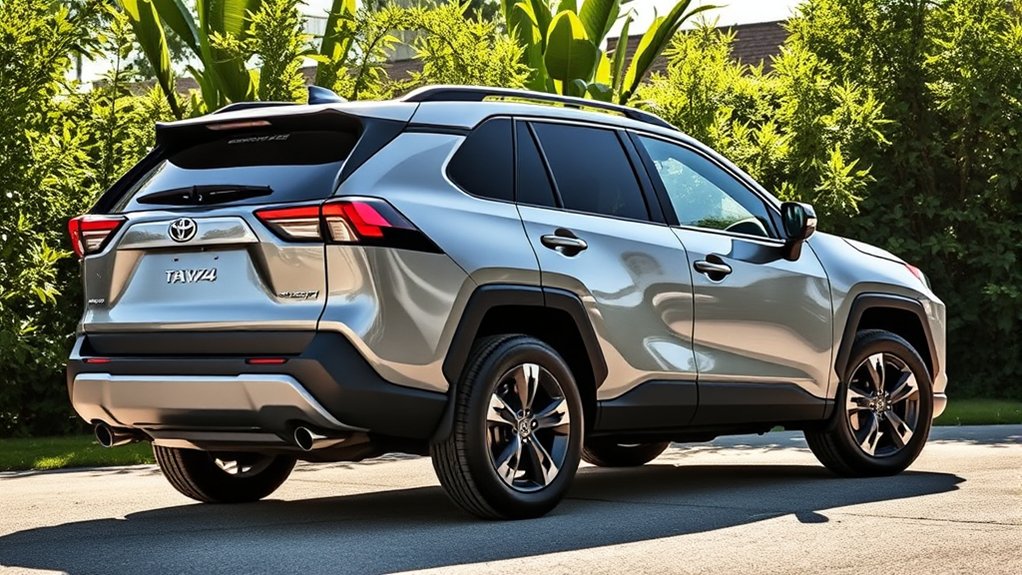
Significant dimension advancements characterized the third generation of the Toyota RAV4, produced from 2006 to 2012. This generation marked a transformative period. Toyota greatly enhanced both interior capacity and cargo versatility.
You will notice the following key changes:
- Passenger Volume: A 21% increase over the previous generation. This ensures a roomy cabin for all occupants.
- Overall Length: Extended to 180.9 inches. This provides a more substantial presence on the road.
- Cargo Volume: Expanded to 37.6 cubic feet behind the second row. It opens up to 69.8 cubic feet with the seats down. This is perfect for hauling large gear.
- Optional Long-Wheelbase: Introduced the Toyota Vanguard in certain markets. This accommodated a third row of seats for larger families. You can read more about these historical changes in Toyota’s official press releases.
These enhancements improved functionality and offered a much better experience for those needing serious space in an SUV.
Dimensions and Features of Fourth to Sixth Generations (2013 to Present)
The Toyota RAV4 design matured considerably from the fourth to the sixth generations. These models span from 2013 to the present day.
The fourth generation (2013 to 2018) boasts a passenger volume of 98.9 cubic feet. It features a cargo capacity of 37.6 cubic feet behind the second row. This is expandable to 69.8 cubic feet when you fold down the rear seats. With an overall length of 180.9 inches, width of 73 inches, and height of 67 inches, it combines compactness with spaciousness effectively.
Moving into the fifth generation (2019 to 2025), the RAV4 retains similar dimensions. However, it introduces much more rugged styling. This is particularly obvious in the TRD Off-Road and Adventure trims.
The sixth generation (2026 to present) focuses on a modernized design. It heavily promotes hybrid options. This enhances fuel efficiency while keeping the essential compact crossover dimensions that buyers love.
Across all these modern generations, a stable 105.9-inch wheelbase guarantees confident handling on the highway and the dirt.
How Ground Clearance Evolved
Ground clearance is a crucial dimension for SUV owners. The first two generations sat relatively low to the ground. This made them excellent for paved city driving but limited their trail capabilities. Starting with the third generation, Toyota increased the ride height. Modern versions, especially the TRD Off-Road trim, offer over 8 inches of ground clearance. This gives you better capability on rough, rutted trails without sacrificing your safety on the highway.
Frequently Asked Questions
What Are the Towing Capacities of Different RAV4 Generations?
The towing capacities vary greatly by generation. Newer models generally offer improved towing performance and payload capacity. The TRD Off-Road and Adventure trims can tow up to 3,500 pounds. Standard hybrid models usually tow around 1,750 pounds. Knowing these specs helps you choose the right RAV4 for your trailer.
How Do RAV4 Dimensions Compare to Similar SUVs?
RAV4 dimensions typically offer a very competitive and spacious interior. You can easily compare it to similar SUVs like the Honda CR-V or Ford Escape on sites like Edmunds. The RAV4 consistently gives you excellent cargo capacity and passenger comfort. You will find it a highly practical choice for daily use.
What Is the Weight of Each RAV4 Generation?
Each RAV4 generation varies in weight. This directly influences performance metrics and braking. Earlier models weigh much less. Newer models offer improved safety features and hybrid batteries, which increase the overall weight. For a thorough RAV4 weight comparison, you should check specific year model details.
Are There Significant Interior Height Differences Across Generations?
The RAV4 has grown taller since its release. While the interior space has evolved, the actual headroom differences are not drastic. The vehicle offers you comfortable movement. You get plenty of room to stretch out without feeling cramped against the ceiling.
How Do RAV4 Dimensions Affect Fuel Efficiency?
RAV4 dimensions have a massive impact on fuel efficiency. Better aerodynamics in the newer models help reduce wind drag. When you look at weight and physical size as fuel efficiency factors, you see how these elements influence gas mileage. Toyota has offset the size increases by using advanced hybrid engines.
Conclusion
The Toyota RAV4 has seen an ever-evolving journey in its design. Each generation has expanded to meet changing driver demands. It moved from a very small footprint to a point of spacious modernity. These dimension changes reflect an adaptation to everyday family needs rather than just arbitrary growth. Whether you drive on busy city streets or rough dirt roads, the RAV4 offers a great mix of comfort and capability.
