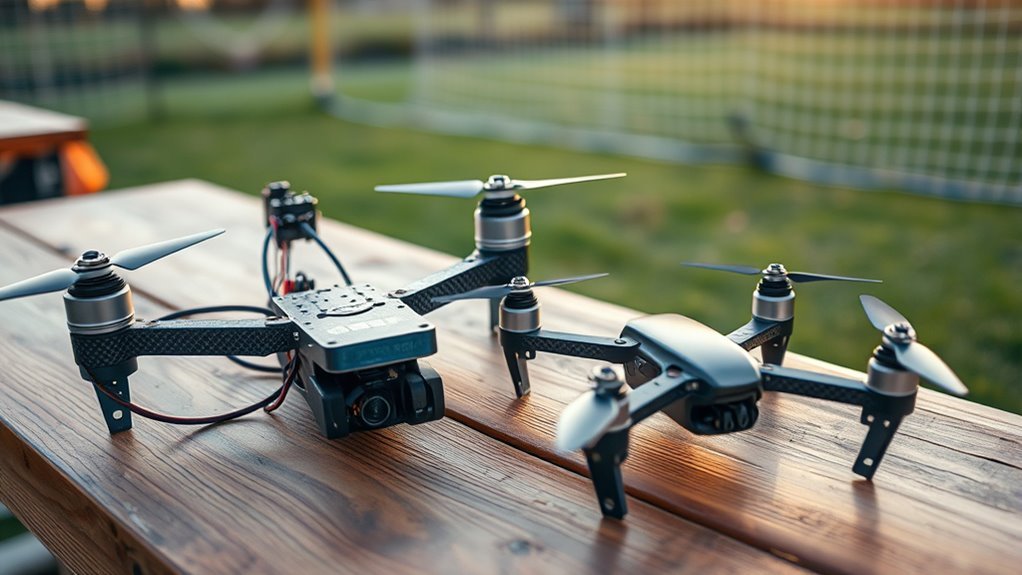
Homebuilt FPV drones sit in a narrow regulatory space. Aircraft over 250g generally require Remote ID compliance, whether through an FAA-listed broadcast module or a built-in standard Remote ID system. Sub-250g builds may avoid that requirement in recreational use, but registration, commercial operations, and FRIA boundaries can change the outcome. The key issue is not just weight, but how the aircraft is flown, where it is flown, and under which authority.
Are Sub-250g FPV Drones Exempt From Remote ID?
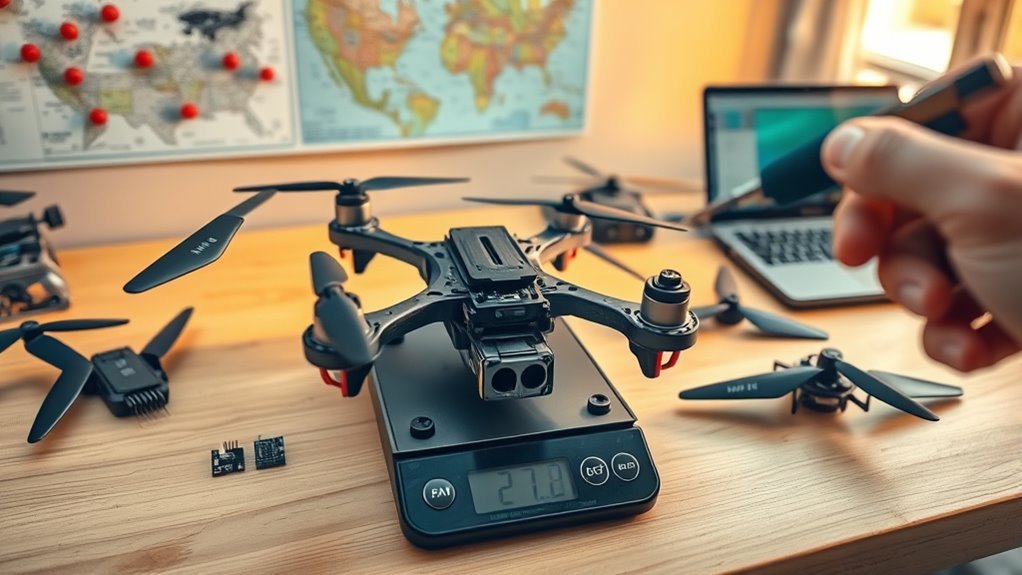
Yes—sub-250g FPV drones are generally exempt from Remote ID when operated recreationally, because they are not required to be registered with the FAA for that use.
Under current rules, sub 250g drones flown solely for recreation fall outside Remote ID requirements, since no FAA registration number is issued and no broadcast compliance is triggered. This exemption preserves a measure of operational autonomy for pilots who keep their aircraft at or below the 250-gram threshold.
The regulatory status changes if the same aircraft is used commercially: registration becomes mandatory, and Remote ID obligations attach.
Although Remote ID compliance begins in October 2023, the sub-250g exemption remains intact unless future rulemaking alters registration criteria.
Accordingly, pilots seeking liberated flight should track FAA updates closely, because an exemption from Remote ID today may not be permanent tomorrow.
Which Custom FPV Builds Need Remote ID?
Custom FPV builds that exceed 250g generally fall within Remote ID requirements, because they must be registered with the FAA and either broadcast from a compliant aircraft system or use an approved Remote ID module.
For homebuilt FPV drones, the decisive trigger is FAA registration: once registered, Remote ID applies regardless of mass.
By contrast, aircraft under 250g remain exempt when FAA registration is not required, preserving a narrow regulatory space for smaller, self-built systems.
Aircraft under 250g remain exempt when FAA registration isn’t required, leaving a narrow space for smaller self-built drones.
Compliance may also be avoided in FAA-Recognized Identification Areas (FRIAs), where Remote ID is not required for eligible operations.
In practical terms, builders seeking maximum freedom should verify weight, registration status, and operating location before flight.
The presence of a Remote ID module does not alter exemption status by itself; the legal obligation arises from the registration and weight framework established by the FAA.
What Remote ID Modules Work With FPV Drones?
Compatible Remote ID broadcast modules for FPV drones are those listed in the FAA Declaration of Compliance System and designed to meet the required broadcast specifications.
These units typically weigh under 10 grams and transmit the aircraft’s serial number, position, and altitude via Wi‑Fi or Bluetooth.
For homebuilt FPV airframes, selection is usually paired with practical mounting constraints, while pilots operating in a FRIA may fly without a module.
Compatible RID Modules
A compliant Remote ID setup for FPV drones typically comes in two forms: integrated systems built into newer aircraft and standalone broadcast modules used on custom builds.
For builders seeking liberation through lawful flight, the choice is governed by FAA Remote ID requirements and by aircraft weight. A Remote ID module must broadcast serial number, position, and flight data, while remaining under 10g to preserve performance.
Compatible broadcast modules are generally priced from $40 to $100, making compliance practical.
- Integrated OEM units suit newer drones.
- Standalone broadcast modules suit custom FPV builds.
- FAA-recognized identification area (FRIA) use may exempt module carriage.
- Compliance supports accountable, open access flying.
Each module selected should be verified for FAA-recognized identification area (FRIA) rules and regulatory compatibility.
FPV Mounting Options
For homebuilt FPV drones, the choice of Remote ID module is only part of the compliance equation; mounting method matters as well. A Remote ID module should remain under 10 grams and be fixed to the airframe with secure mounting that resists vibration, prop wash, and impact loads.
For FPV drones, the preferred configuration is a lightweight solution placed where GPS reception and RF broadcast are unobstructed, while keeping wiring short and strain-relieved. The Remote ID Broadcast Module is commonly selected because it supports Wi‑Fi or Bluetooth transmission of location and altitude data without adding significant mass.
In FAA-Recognized Identification Areas (FRIAs), pilots may legally fly without Remote ID, but a secure, removable mount preserves flexibility for switching between liberated FRIA operations and full broadcast compliance.
How Do FRIAs Let You Fly Without Remote ID?
FAA-Recognized Identification Areas (FRIAs) are designated zones where Remote ID carriage is not required, provided the operation remains within the area’s approved boundaries and the pilot satisfies FRIA eligibility rules.
Within a FRIA, the operator must still maintain visual line of sight and comply with all other applicable flight restrictions.
For homebuilt FPV drones lacking Remote ID capability, these areas provide a regulatory pathway for lawful operation without broadcast identification.
FRIA Eligibility Rules
FRIA eligibility is limited to operations conducted within the designated boundaries of an FAA-Recognized Identification Area, where Remote ID equipment is not required. For registered drone pilots, eligibility depends on strict geographic compliance and alignment with FAA exemption criteria.
A FRIA offers a lawful corridor for liberation from standard Remote ID carriage, but only when the flight remains inside the approved perimeter.
- Verify the FAA FRIA map before planning operations.
- Confirm the site is a designated FRIA.
- Maintain visual line of sight and compliant conduct.
- Use only within published boundaries.
More than 2,000 FRIA sites exist nationwide, giving drone pilots structured access to Remote ID-free flying. Outside those limits, the exemption ends, and Remote ID requirements resume immediately.
Flying Inside FRIAs
Inside an FAA-Recognized Identification Area, Remote ID carriage is not required, allowing compliant operations within clearly defined boundaries. | Status | Effect | Action |
| — | — | — |
|---|---|---|
| FRIA | Remote ID exempt | Fly inside mapped limits |
| FAA regulations | Still active | Maintain visual line of sight |
| Homebuilt FPV drones | Weight relief | Omit added modules |
This framework offers practical liberation for pilots who value field autonomy without sacrificing compliance. The FRIA network exceeds 2,000 sites nationwide, expanding lawful access for recreational and limited commercial use. Operators must verify location on the FAA FRIA map before launch, because exemption applies only inside the designated polygon. Outside it, Remote ID requirements return immediately. Yielding to manned aircraft, altitude discipline, and other FAA regulations remain mandatory. For homebuilt FPV drones, the result is a lighter airframe and a cleaner build, while preserving regulatory order.
When Do Sub-250g Drones Still Need Registration?
Sub-250g drones still require FAA registration when they are operated for compensation or in furtherance of a business, even though they qualify for the recreational weight exemption. Under the Remote ID rule, sub-250g drones must register when their use shifts into commercial purposes, because operational intent controls the obligation, not mass alone.
Sub-250g drones stay exempt only until compensation or business use makes registration mandatory.
- Recreational use: no FAA registration required.
- Compensation: registration is mandatory.
- Business activity: registration is mandatory.
- Modifications for commercial use: may trigger FAA registration.
The exemption remains narrow. A pilot may fly a light aircraft without registration only while remaining within the recreational framework.
Once the drone is equipped, marketed, or flown to support revenue, the regulatory status changes. Even then, all other FAA rules continue to apply, including airspace compliance and yielding to manned aircraft.
For operators seeking liberation through compact FPV platforms, the boundary is clear: weight can exempt, but purpose can compel registration.
What Do Part 107 FPV Pilots Need to Know?
For Part 107 FPV operations, the FAA requires registration of every drone used in the operation, including homebuilt models, regardless of weight, and compliance does not end there. Part 107 pilots remain required to comply with visual line of sight, Remote ID, and operating limits unless a waiver is granted; that framework preserves freedom through lawful execution.
| Requirement | Effect |
|---|---|
| Registration | Every drone must be listed |
| Remote ID | Applies to commercial drones |
| Visual line of sight | Must be maintained |
| Night/over-people ops | Allowed with conditions |
| Waivers | Expand permitted missions |
Homebuilt drones over 250g, and registered sub-250g craft, are subject to Remote ID unless flown in an FAA-recognized identification area (FRIA) or exempted by rule. A Part 107 certificate may authorize night flight and flight over people when the pilot satisfies the applicable conditions. The regulatory path is exacting, yet it enables disciplined FPV flight without surrendering operational autonomy.
How Can You Fly FPV and Stay Legal?
FPV flight remains legal only when the pilot maintains the required separation between eyes-on compliance and the aircraft’s onboard view, which means a visual observer must be present to preserve the necessary line of sight.
Under FAA regulation, the operator must keep FPV flight within 400 feet AGL unless LAANC authorizes otherwise. A homebuilt drone under 250g is exempt from Remote ID, but not from airspace rules or traffic separation.
- Obtain LAANC before entering controlled airspace.
- Yield immediately to manned aircraft.
- Avoid people, crowds, and emergency scenes.
- Register homebuilt craft over 250g and prepare for Remote ID compliance in 2026.
This framework preserves practical freedom while remaining within the regulatory boundary. The pilot may fly with confidence, but only by treating compliance as a condition of access, not a constraint on autonomy.
Frequently Asked Questions
Do Sub 250 Gram Drones Need Remote ID?
No, sub 250 gram drones generally do not need Remote ID if they are unregistered and used recreationally.
Under current sub 250g regulations, hobbyist compliance remains possible without broadcast hardware, though drone safety measures and all other FAA rules still apply.
Remote ID benefits are reserved for registered or commercial operations, where flight tracking technology becomes mandatory.
In FRIA airspace, operators may preserve autonomy while maintaining lawful flight discipline.
Do I Need a Flyer ID for a Sub 250G Drone?
No Flyer ID is required for a recreational sub-250g drone.
Despite that exemption, drone regulations still impose safety guidelines, flight restrictions, and airspace authorization duties; technology advancements do not remove these hobbyist requirements.
One might object that “small means unrestricted,” yet controlled airspace still requires LAANC approval, and all other operational limits remain binding.
For commercial use, registration and broader compliance return, even below 250 grams.
What Drones Are Faa-Approved for Remote ID Modules?
FAA-approved Remote ID modules are listed in the FAA Declaration of Compliance, and they may be used on drones that support Remote ID technology, including many homebuilt drones and retrofit-capable aircraft.
Under FAA regulations, the aircraft or module must match approved specifications and broadcasting performance.
Compliance challenges persist for custom builds, while future implications may expand lawful autonomy and operational freedom for pilots seeking regulated, interoperable airspace access.
How Do I Get a Remote ID for My Drone?
Remote ID is obtained by fitting a compliant Broadcast Module or using a drone with built-in Remote ID.
Module installation must meet FAA specifications and broadcast identification, location, and flight data.
Compliance challenges arise on homebuilt platforms, though sub-250g recreational drones may be exempt, and FRIA operations may remain unrestricted.
Remote ID importance lies in regulatory access and safety implications.
Future regulations may tighten requirements, so verification of current status remains essential.
Conclusion
In conclusion, Remote ID obligations for homebuilt FPV drones hinge on weight, operating context, and registration status. Sub-250g aircraft flown recreationally remain outside the Remote ID mandate, while heavier or commercially used builds must transmit compliant identification, unless operated within a FRIA. For FPV pilots, compliance is a circuit breaker, not a burden: it preserves lawful access by aligning each flight with FAA requirements, registration rules, and recognized exceptions.